Solar Generator vs UPS: Which Is Better for Nigerian Homes and Offices in 2026?
In Nigeria, power outages are no longer an occasional inconvenience — they’re part of everyday life. For homes, offices, and small businesses, backup power is essential. But one question keeps coming up in 2026:
Should you use a solar generator or a UPS system?
At first glance, both seem similar. They both store electricity and keep devices running when power goes out. But in real-world Nigerian conditions, they serve very different purposes.
This guide breaks down the differences clearly and honestly, so you can decide which option is better for your home or office in Nigeria — without confusion or sales talk.
Why Nigerians Often Confuse Solar Generators and UPS Systems
The confusion is understandable because both:
- Provide backup power
- Use batteries
- Turn on automatically (in some cases)
- Protect devices during outages
However, the design goal of each system is completely different.
A UPS is designed for short-term power protection.
A solar generator is designed for extended backup power and independence.
Understanding this difference changes everything.
What Is a UPS (Uninterruptible Power Supply)?
A UPS is primarily a power protection device, not a long-term power solution.
What a UPS is built to do
- Instantly take over when power goes out
- Prevent computers from shutting down suddenly
- Allow safe shutdown of sensitive equipment
- Protect against voltage spikes
Typical UPS use cases
- Desktop computers
- Servers
- Routers and networking equipment
- Office electronics that must not shut off abruptly
Most UPS systems are designed to run for minutes, not hours.
What Is a Solar Generator?
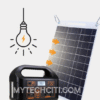
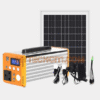
A solar generator is a battery-based power station that stores electricity and supplies power for extended periods.
What a solar generator is built to do
- Provide backup power for hours
- Power multiple household or office appliances
- Recharge using solar panels, NEPA, or generator
- Operate silently and safely indoors
Unlike UPS systems, solar generators are meant to keep life and work going, not just buy time to shut down devices.
Runtime: The Biggest Difference
UPS Runtime Reality
Most standard UPS systems:
- Run for 5–30 minutes
- Some larger models may reach 1–2 hours at light load
- Batteries drain very quickly under load
UPS systems are not meant for fans, TVs, or long work sessions.
Solar Generator Runtime Reality
Solar generators are designed for:
- 6–12 hours of typical home or office use
- Overnight operation
- All-day work with proper solar charging
With the right size, a solar generator can run:
- Laptops
- Desktops
- Routers
- Fans
- Lights
- TVs
- Small fridges (selected models)
Verdict:
✔ Solar generator wins clearly on runtime
Power Capacity: What Can Each One Run?
UPS Power Capacity
Most UPS units:
- Have limited inverter power
- Cannot handle high startup loads
- Are easily overloaded
UPS systems are best for electronics only.
Solar Generator Power Capacity
Solar generators:
- Come with stronger inverters
- Handle higher surge power
- Can power multiple appliances simultaneously
This makes them suitable for:
- Home offices
- Shared workspaces
- Small shops
- Apartments
Verdict:
✔ Solar generator supports real-life Nigerian usage
Cost Comparison in Nigeria (2026 Perspective)
UPS Cost Structure
- Lower upfront cost
- Batteries degrade quickly
- Replacement batteries are frequent
- Limited upgrade path
Over time, replacing UPS batteries repeatedly adds up.
Solar Generator Cost Structure
- Higher upfront cost
- Very low running expenses
- Long battery lifespan (lithium-based)
- Can be expanded with solar panels
For people who experience frequent outages, solar generators often deliver better long-term value.
Solar Charging: A Game Changer in Nigeria
Nigeria has one major advantage: abundant sunlight.
UPS Systems
- Do NOT support solar charging
- Depend entirely on grid power
- Useless during prolonged outages
Solar Generators
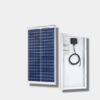
- Recharge from solar panels
- Can recover battery during the day
- Reduce dependence on NEPA and fuel generators
This single feature makes solar generators far more practical in many Nigerian cities and towns.
Noise, Comfort, and Indoor Safety
Both UPS and solar generators:
- Are silent
- Produce no fumes
- Are safe for indoor use
However, the comfort difference comes from runtime.
A UPS may keep your laptop alive briefly.
A solar generator can power your fan, lights, and router throughout the night.
Maintenance and Battery Lifespan
UPS Maintenance
- Frequent battery replacement
- Heat sensitivity
- Short battery life under heavy use
Solar Generator Maintenance
- Minimal maintenance
- Smart battery management systems
- Longer battery lifespan with proper care
In Nigerian heat conditions, lithium-based solar generators generally outperform traditional UPS batteries.
Which Is Better for Nigerian Homes?
Choose a UPS if:
- You only want to protect a desktop computer
- You need a few minutes to shut down safely
- Power outages are rare in your area
Choose a Solar Generator if:
- You want backup power for hours
- You need fans, lights, and internet
- You live in a flat or estate
- You work from home regularly
For most Nigerian households in 2026, a UPS alone is not enough.
Which Is Better for Offices and Workspaces?
UPS Is Better For:
- Server rooms
- Data protection
- Equipment shutdown safety
Solar Generator Is Better For:
- Home offices
- Small offices
- Co-working spaces
- Remote work setups
Many offices actually use both:
- UPS for critical electronics
- Solar generator for general power
This combination offers the best reliability.
Common Mistakes Nigerians Make When Choosing
- Expecting a UPS to power fans and TVs
- Buying multiple UPS units instead of one proper solution
- Ignoring solar charging options
- Underestimating outage duration
- Choosing based on price alone
Avoiding these mistakes saves money and frustration.
So, Which One Should You Choose in 2026?
Final Verdict
- UPS is a short-term protection tool
- Solar generator is a long-term backup power solution
If your goal is simply to avoid sudden shutdowns, a UPS is enough.
If your goal is to continue living and working normally during outages, a solar generator is the better choice.
For many homes and offices in Nigeria, solar generators have become the more practical and future-ready option.
Closing Thoughts
In 2026, backup power decisions are no longer just technical choices — they affect productivity, comfort, and peace of mind. UPS systems still have their place, but they were never designed for Nigeria’s power realities.
Solar generators fill that gap by offering:
- Longer runtime
- Solar independence
- Lower stress
- Better quality of life
The right choice depends on your needs — but now, you can make that choice with clarity.