Best Solar Generator Setup for Small Businesses in Nigeria (2026 Guide)
For many small businesses in Nigeria, power is not a convenience — it’s survival. When electricity goes off, sales stop, customers leave, and income drops. From POS shops and mini marts to salons and phone repair kiosks, reliable power directly affects daily profit.
In 2026, more Nigerian entrepreneurs are turning to solar generators as a smarter alternative to petrol generators. But not every setup works for every business. Choose the wrong size, and you’ll still struggle. Choose right, and your business can run quietly, reliably, and with lower operating costs.
This guide explains the best solar generator setup for small businesses in Nigeria, using real business scenarios, practical power calculations, and clear recommendations you can actually use.
Why Solar Generators Make Sense for Nigerian Small Businesses
Small businesses face unique power challenges:
- Fuel costs eat into daily profit
- Noise drives customers away
- Petrol scarcity disrupts operations
- Night-time work becomes stressful
- Indoor generator use is unsafe
A properly sized solar generator solves many of these problems by offering:
- Silent operation
- Zero fuel cost
- Indoor-safe power
- Predictable daily expenses
- Better customer experience
For businesses that rely on electronics, solar is no longer a luxury — it’s a competitive advantage.
Businesses That Benefit Most from Solar Generators
Solar generators are ideal for businesses that use light to medium electrical loads.
Common Nigerian Businesses That Work Well on Solar
- POS & fintech kiosks
- Mini marts and provision stores
- Phone & laptop repair shops
- Barbing salons & hair studios
- Fashion designers & tailors
- Cyber cafés (light setups)
- Home-based online businesses
If your business depends on constant power for electronics, solar is a strong option.
Step 1: List Your Business Appliances
Before buying anything, you must know what you want to power.
Typical Small Business Appliances & Power Rating
Appliance
Average Power
POS machine
10–20 W
Wi-Fi router
15 W
Laptop
60–90 W
Desktop computer
150–250 W
LED bulb (each)
10 W
Standing fan
60 W
TV/monitor
80–120 W
Small fridge
120–150 W
Not every business uses all of these at once — but you need to plan realistically.
Step 2: Calculate Your Total Power Needs (Watts)
Let’s look at a typical POS & mini shop setup:
- POS machine → 15 W
- Router → 15 W
- Laptop → 70 W
- 2 LED bulbs → 20 W
- Standing fan → 60 W
Total running power = 180 watts
This means your solar generator must support at least 180 W continuously, with room for surge.
Step 3: Decide How Long You Need Power (Watt-Hours)
Most small businesses operate 8–12 hours daily.
Example (10-hour workday)
180 W × 10 hours = 1,800 Wh
So your business needs around 2,000 Wh of usable battery capacity to work comfortably without stress.
Recommended Solar Generator Sizes by Business Type
1️⃣ POS Shop / Small Kiosk
Typical load: POS
Recommended size:
- Inverter: 150W solar generator
✔ Affordable
✔ Portable
✔ Runs all day with proper charging
2️⃣ Phone Repair / Computer Shop
Typical load: Laptop, soldering tools (light), fan, lights
Recommended size:
- Battery: 1,500–2,000 Wh
- Inverter: 1,000–1,500 W
✔ Handles electronics safely
✔ Quiet work environment
3️⃣ Barbing Salon / Hair Studio
Typical load: Clippers, lights, fan, small TV
Recommended size:
- Battery: 2,000–3,000 Wh
- Inverter: 1,500–2,000 W
✔ No noise for customers
✔ Works all day
4️⃣ Mini Mart / Small Store with Fridge
Typical load: Lights, fan, POS, fridge
Recommended size:
- Battery: 2,500–3,000 Wh
- Inverter: 2,000 W+
✔ Keeps drinks cold
✔ Supports business continuity
Solar Generator vs Petrol Generator for Small Businesses
Petrol Generator
- Lower upfront cost
- High daily fuel expenses
- Noise affects customers
- Frequent maintenance
Solar Generator
- Higher upfront cost
- No fuel expenses
- Silent and professional
- Minimal maintenance
For businesses that operate daily, solar generators often pay for themselves over time.
Solar Panels: The Key to All-Day Business Power
The generator’s battery determines how long you can run.
Solar panels determine how well you can recharge daily.
Recommended Panel Setup for Businesses
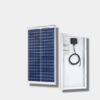
- Light business use → 400–600 W panels
- Medium business use → 800–1,000 W panels
- Heavy daily use → 1,000 W+ panels
With enough panels:
- Daytime sunlight supports ongoing work
- Battery remains healthy
- NEPA becomes optional, not necessary
Best Practices for Business Use
1. Separate Business Load from Home Load
Avoid plugging personal appliances into business power.
2. Avoid Heat-Producing Appliances
Pressing irons, kettles, and microwaves drain batteries fast.
3. Reduce Night-Time Load
If business closes at night, reduce usage to preserve battery health.
4. Charge Daily
Even partial charging daily is better than deep discharge.
Common Mistakes Small Business Owners Make
- Buying too small “to manage”
- Ignoring solar panel capacity
- Running heating appliances
- Mixing home and business loads
- Choosing price over reliability
Avoiding these mistakes protects your investment and your income.
How Long Will a Solar Generator Last in a Business?
With good use and maintenance:
- Battery lifespan: 5–10 years
- Daily reliability: High
- Running cost: Very low
This is far better than petrol generators that require constant fuel and servicing.
Is a Solar Generator Worth It for Nigerian Businesses in 2026?
For many businesses, the answer is yes.
Solar generators are worth it if:
- You operate daily
- Power affects sales directly
- You want predictable expenses
- You value customer comfort
- You’re tired of fuel stress
They may not replace heavy industrial systems, but for small businesses, they are often the smartest power upgrade.
Final Recommendation
Ideal Small Business Solar Setup (2026)
- Battery capacity: 1,500–3,000 Wh
- Inverter power: 1,000–2,000 W
- Solar panels: 600–1,000 W
- Usage focus: Electronics, lighting, fans, POS, small fridge
This setup supports productivity, reduces costs, and improves customer experience.
Final Thoughts
Power problems shouldn’t determine whether your business succeeds or struggles. With the right solar generator setup, Nigerian small businesses can operate quietly, reliably, and profitably — even during long outages.
In 2026, smart power choices are not just about electricity. They’re about stability, growth, and peace of mind.