Best Backup Power Options for Nigerian Homes Compared (2026 Guide)
Power outages are a fact of life in many parts of Nigeria. Whether you live in a flat, an estate, or a standalone house, having a reliable backup power option is no longer optional—it’s essential.
But the real challenge isn’t whether to get backup power. It’s choosing the right option. Petrol generators, inverter systems, solar generators, UPS units—each promises reliability, yet each comes with trade-offs.
This guide compares the best backup power options for Nigerian homes in 2026, using real-world factors that matter: cost, noise, safety, runtime, maintenance, and suitability for everyday living. By the end, you’ll know exactly which option fits your home and lifestyle.
Why Choosing the Right Backup Power Matters
Choosing poorly can lead to:
- High monthly fuel expenses
- Constant noise and stress
- Unsafe indoor power use
- Equipment damage
- Frequent repairs
Choosing well gives you:
- Peace of mind
- Predictable costs
- Quiet nights
- Reliable power during outages
Let’s break down the main backup power options Nigerians actually use—and how they compare.
1. Petrol Generator (The Traditional Choice)
Petrol generators have powered Nigerian homes for decades and see widespread use.
Pros
- Lower upfront purchase cost
- Can handle heavy loads
- Widely available
Cons
- High and unpredictable fuel cost
- Very noisy
- Produces fumes (unsafe indoors)
- Frequent servicing and repairs
- Not suitable for overnight use
Best for
- Homes with heavy power needs
- Short, occasional backup use
- Users who can manage fuel and noise
Reality check: Petrol generators work, but long-term comfort and cost are major drawbacks.
2. Diesel Generator (Less Common for Homes)
Diesel generators are more common in commercial settings but appear in some homes.
Pros
- More fuel-efficient than petrol generators
- Handles heavy loads
- Longer engine lifespan
Cons
- Higher upfront cost
- Noisy
- Requires maintenance
- Still dependent on fuel
Best for
- Large homes
- Users with very high power demand
For most typical Nigerian homes, diesel generators are overkill.
3. UPS (Uninterruptible Power Supply)
UPS systems are often misunderstood as backup power solutions.
Pros
- Instant power switch-over
- Protects sensitive electronics
- Affordable for small setups
Cons
- Very short runtime (minutes, not hours)
- No solar charging
- Batteries degrade quickly
- Cannot power fans, TVs, or fridges for long
Best for
- Desktop computers
- Routers and modems
- Preventing sudden shutdowns
A UPS is power protection, not true backup power.
4. Inverter Battery System (Permanent Backup Solution)
An inverter battery system is a fixed installation that stores power and supplies electricity during outages.
Pros
- Silent operation
- Can power many appliances
- Suitable for long outages
- Expandable battery capacity
Cons
- High upfront cost
- Requires professional installation
- Fixed location (not portable)
- Needs proper design to avoid issues
Best for
- Homeowners
- Duplexes and large flats
- Users planning long-term power independence
Inverter systems offer strong performance but require commitment and investment.
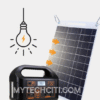
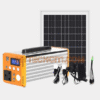
5. Solar Generator (Modern Portable Solution)
Solar generators have grown rapidly in popularity across Nigerian homes.
Pros
- Silent and fume-free
- Safe for indoor use
- Portable and plug-and-play
- Low running cost
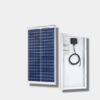
- Can recharge via solar panels
Cons
- Higher upfront cost than small generators
- Limited capacity compared to large inverter systems
- Must be sized correctly
Best for
- Flats and rented apartments
- Night-time power needs
- Home offices
- Small families
For many homes, solar generators offer the best balance of convenience, safety, and savings.
6. Hybrid System (Solar + Generator)
A hybrid setup combines solar power with a fuel generator.
Pros
- Reduces fuel consumption
- Covers both light and heavy loads
- Flexible and reliable
- Lower long-term fuel cost
Cons
- Requires planning
- Higher initial investment
- Two systems to manage
Best for
- Homes transitioning from fuel to solar
- Users who want backup security
- Areas with very long outages
This approach delivers the best of both worlds when set up properly.
Side-by-Side Comparison (Quick View)
Option
Noise
Fuel Cost
Indoor Safe
Runtime
Maintenance
Petrol Generator
High
High
❌
Long (with fuel)
High
Diesel Generator
High
Medium
❌
Long
High
UPS
Silent
None
✅
Very short
Medium
Inverter System
Silent
None
✅
Long
Medium
Solar Generator
Silent
None
✅
Medium–Long
Low
Hybrid System
Low
Reduced
Partial
Long
Medium
Which Backup Power Option Is Best for Your Home?
For Small Flats & Apartments
Best choice: Solar generator
- No installation
- Silent
- Indoor-safe
For 2–3 Bedroom Flats (Owned)
Best choice: Solar generator or inverter system
- Depends on power usage and budget
For Duplexes & Large Homes
Best choice: Inverter system or hybrid setup
- Handles larger loads
For Remote Work & Home Offices
Best choice: Solar generator
- Quiet
- Reliable
- Professional
For Heavy Appliance Use
Best choice: Hybrid or inverter system
- Supports fridges, pumps, and multiple appliances
Cost vs Comfort: What Most Nigerians Overlook
Many people focus only on purchase price. But backup power affects:
- Sleep quality
- Health (noise and fumes)
- Productivity
- Monthly expenses
Solar-based solutions often win not because they’re cheapest upfront, but because they cost less to live with.
Common Mistakes When Choosing Backup Power
- Buying based on price alone
- Ignoring noise and safety
- Underestimating night-time usage
- Expecting one system to power everything
- Skipping long-term cost comparison
Avoiding these mistakes saves money and stress.
So, What’s the Best Backup Power Option in Nigeria in 2026?
There’s no single answer—but there is a best option for your situation.
- If you want quiet, safe, and low-stress power → Solar generator
- If you want long-term whole-house power → Inverter system
- If you want maximum flexibility → Hybrid setup
- If you just want short-term protection → UPS
For many Nigerian homes today, solar generators have become the most practical everyday solution, especially when combined with good usage habits.
Final Thoughts
Backup power is not about luxury—it’s about daily comfort, productivity, and peace of mind. In 2026, Nigerians have more options than ever before. The key is choosing the one that fits your lifestyle, not just your budget.
When you understand the strengths and limits of each backup power option, making the right decision becomes much easier—and far less costly.