Solar Generator vs Inverter Battery System: Which Is Better for Nigerian Homes in 2026?
Power supply in Nigeria remains unpredictable, and by 2026, most households are no longer asking if they need backup power, but which backup power solution makes the most sense.
Two options dominate the conversation today:
- Solar generators
- Inverter battery systems
Both work, both are popular, and both can power your home — but they are not the same. Choosing the wrong one can lead to wasted money, poor performance, or constant frustration.
This guide explains the real differences, the true costs, and which option is better for different types of Nigerian homes in 2026.
Why Nigerians Confuse Solar Generators and Inverter Systems
The confusion is understandable.
Both:
- Use batteries
- Store electricity
- Power appliances when NEPA goes off
- Can be charged with solar panels
But the design philosophy, capacity, installation, and use cases are very different.
Understanding these differences is the key to making the right choice.
What Is a Solar Generator?
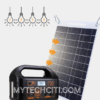
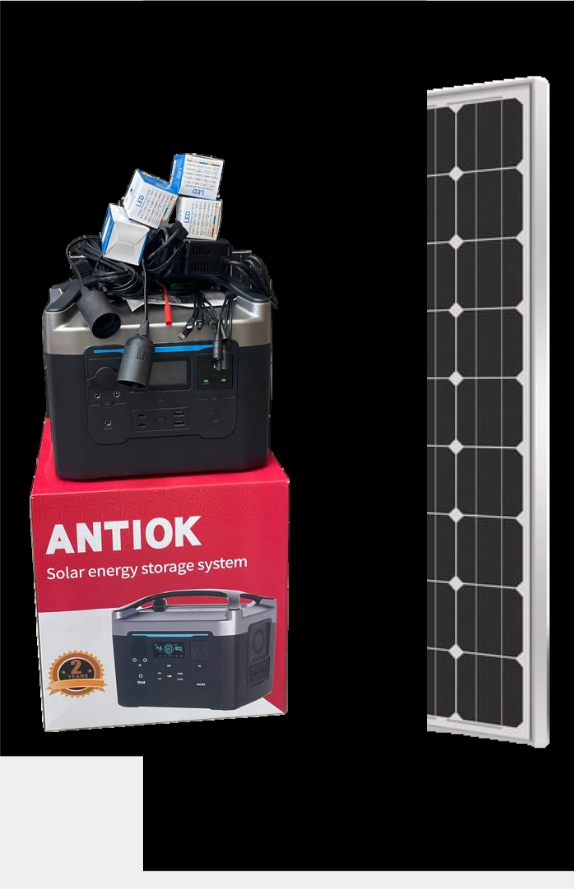
A solar generator is a portable, all-in-one power station that combines:
- Battery
- Inverter
- Charge controller
- Output ports
…inside a single unit.
It can be charged via:
- Solar panels
- Wall socket (NEPA)
- Generator
- Car charger
Key characteristics
- Plug-and-play
- No installation required
- Portable
- Silent
- Safe for indoor use
Solar generators are designed mainly for backup power and convenience.
What Is an Inverter Battery System?
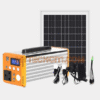
An inverter battery system is a fixed home power setup made up of separate components:
- Inverter
- External batteries
- Solar charge controller
- Solar panels
- Wiring and changeover switch
It is usually installed permanently and powers selected circuits in the house.
Key characteristics
- Fixed installation
- Higher capacity potential
- Can power heavy appliances
- Designed for longer usage
Inverter systems are designed for semi-permanent or full-home backup power.
Installation & Setup: Big Difference
Solar Generator
- No technician needed
- No drilling or wiring
- Just plug appliances directly
- Ready to use in minutes
Ideal for:
- Renters
- Apartments
- Students
- Temporary setups
Inverter Battery System
- Requires professional installation
- Wiring into distribution board
- Fixed location
- Takes time and planning
Ideal for:
- Homeowners
- Duplexes
- Long-term residences
Verdict:
✔ Solar generator wins on ease and speed
✔ Inverter system wins on permanence
Portability vs Permanence
Solar Generator
- Can be moved from room to room
- Can be taken when you relocate
- Useful for travel, shops, or events
Inverter System
- Installed in one place
- Cannot be moved easily
- Designed to stay for years
If you rent or move often, portability is a huge advantage.
Power Capacity & Appliance Support
Solar Generator
Typically handles:
- Lights
- Fans
- TVs
- Routers
- Laptops
- Small fridges (with correct size)
Limitations:
- Not ideal for ACs
- Not suitable for electric cookers
- Limited expansion
Inverter Battery System
Can handle:
- Fridges and freezers
- Water pumps
- Washing machines
- Multiple TVs and fans
- Air conditioners (with sufficient capacity)
Limitations:
- Higher cost
- Requires careful system design
Verdict:
✔ Inverter system wins for heavy loads
✔ Solar generator covers most daily essentials
Battery Size & Runtime
Solar Generator
- Battery capacity is fixed
- Common sizes: 500 Wh – 3,000 Wh
- Runtime depends on usage discipline
Good for:
- Overnight backup
- Work-from-home
- Evening power
Inverter Battery System
- Battery bank can be expanded
- Runtime can reach 24 hours or more
- Better for long outages
If you experience very long blackouts, inverter systems have an edge.
Cost Comparison in Nigeria (2026 Reality)
Solar Generator Costs
- Lower entry cost
- No installation fees
- Minimal accessories needed
- Ideal for tight budgets
Inverter System Costs
- Higher upfront cost
- Installation and wiring fees
- Batteries and panels add up
- Better long-term scalability
Important:
Solar generators look cheaper at first. Inverter systems cost more upfront but can power more over time.
Maintenance & Reliability
Solar Generator
- Very low maintenance
- No oil, no servicing
- Battery management is automated
- Just keep charged and clean
Inverter Battery System
- Batteries need monitoring
- Wiring must be checked
- Fans and components may need servicing
- More technical oversight
Verdict:
✔ Solar generator is easier to maintain
✔ Inverter system requires more attention
Noise, Safety & Indoor Use
Both systems are:
- Silent
- Fume-free
- Indoor safe
But inverter systems require:
- Proper ventilation
- Correct wiring
- Quality components
Poor installation can cause issues, which is why professional setup matters.
Solar Charging & Energy Independence
Solar Generator
- Limited solar input (depending on model)
- Best for partial independence
- Fast charging models perform better
Inverter System
- Supports large solar arrays
- Better daytime charging
- Can significantly reduce NEPA dependence
If your goal is maximum solar usage, inverter systems are stronger.
Which Is Better for Different Nigerian Homes?
For Renters & Apartments
Best choice: Solar Generator
- No installation
- Portable
- Lower commitment
For 2–3 Bedroom Flats (Owned)
Best choice: Depends on usage
- Light to moderate use → Solar generator
- Heavy or all-day use → Inverter system
For Duplexes & Large Homes
Best choice: Inverter Battery System
- Handles more appliances
- Better scalability
For Small Businesses
- POS, routers, lights → Solar generator
- Freezers, pumps → Inverter system
Common Mistakes Nigerians Make When Choosing
- Buying an inverter system without planning load
- Buying a small solar generator hoping to “manage”
- Ignoring future power needs
- Choosing cheap components over quality
- Not considering relocation plans
Avoiding these mistakes saves serious money.
How to Decide (Simple Checklist)
Ask yourself:
- Do I rent or own?
- How long are outages in my area?
- Do I need to power heavy appliances?
- Will I relocate soon?
- What is my realistic budget?
Your answers point clearly to the right solution.
Final Verdict: Which Is Better in 2026?
There is no universal winner — only the right choice for your situation.
Choose a Solar Generator if:
- You rent
- You want simplicity
- You need backup for essentials
- You value portability
- You want minimal maintenance
Choose an Inverter Battery System if:
- You own your home
- You need long runtimes
- You power heavy appliances
- You want deeper solar integration
- You’re planning long-term
For many Nigerian homes in 2026, solar generators are the fastest and most practical entry into clean backup power, while inverter systems remain the choice for larger, permanent setups.