Power outages are a daily reality for millions of Nigerians. From sudden blackouts to long hours without electricity, homes and businesses are constantly forced to look for reliable backup power solutions. For years, petrol and diesel generators have been the default option — noisy, expensive to run, and unsafe for indoor use.
In recent years, however, solar generators have emerged as a smarter, cleaner, and more cost-effective alternative. But what exactly is a solar generator, how does it work, and why is it becoming so popular in Nigeria?
This guide explains everything in clear, simple terms so you can decide if a solar generator is right for you.
What Is a Solar Generator?
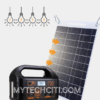
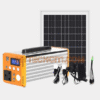
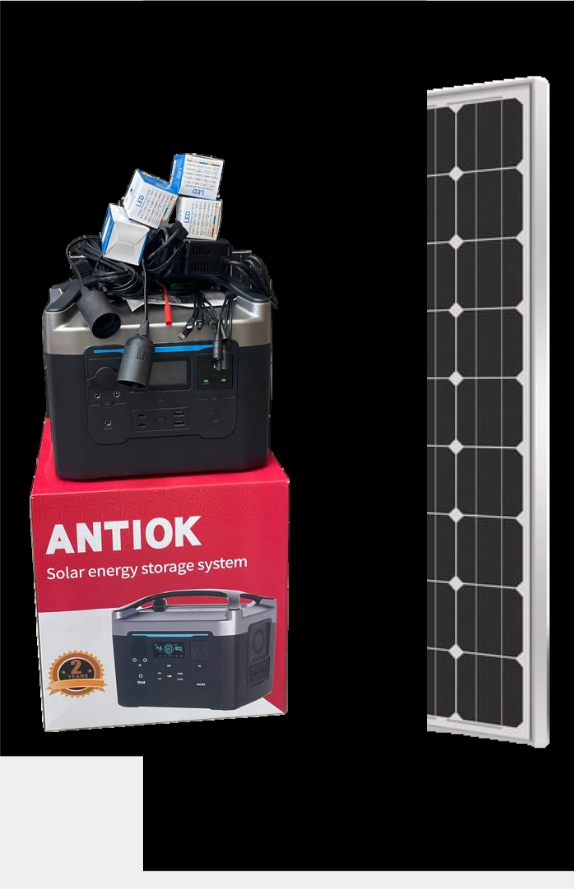
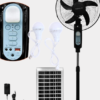
A solar generator is a portable power system that stores electricity and supplies power to your devices without using petrol, diesel, or gas. Instead of burning fuel, it relies on stored electrical energy, which can be recharged using solar panels, wall sockets, or car chargers.
In simple terms, a solar generator is like a large rechargeable power bank — but powerful enough to run household appliances such as TVs, fans, laptops, routers, lights, and even small fridges, depending on its size.
Unlike traditional generators, solar generators:
- Make no noise
- Produce no smoke or fumes
- Can be used safely indoors
- Have very low running costs
Why Solar Generators Are Gaining Popularity in Nigeria
Several factors have made solar generators especially attractive in Nigeria:
1. Frequent Power Outages
Unstable electricity supply means many households experience blackouts daily. A solar generator provides instant backup power without the stress of fueling a generator.
2. Rising Fuel Prices
Petrol and diesel costs continue to rise, making fuel generators expensive to maintain. A solar generator requires no fuel, saving money in the long run.
3. Noise and Environmental Concerns
Many estates and neighborhoods restrict generator noise. Solar generators are completely silent and environmentally friendly.
4. Indoor Safety
Fuel generators must be used outdoors due to carbon monoxide fumes. Solar generators are safe for indoor use, making them ideal for flats, shops, and offices.
How Does a Solar Generator Work?
Although the name sounds technical, the working principle of a solar generator is straightforward. It has four main components working together.
1. Solar Panels (Power Source)
Solar panels collect energy from sunlight and convert it into electricity. This electricity flows into the generator to charge the internal battery.
In Nigeria’s sunny climate, solar panels can generate significant power during the day, making them an excellent renewable energy source.
2. Battery (Energy Storage)
The battery stores electricity for later use. Battery capacity is measured in watt-hours (Wh).
For example:
- A 500Wh battery can supply 500 watts for 1 hour
- Or 100 watts for 5 hours
The higher the watt-hour rating, the longer the solar generator can power your devices.
Most modern solar generators use lithium batteries, which are:
- Long-lasting
- Lightweight
- Fast-charging
- Safe for home use
3. Inverter (Power Conversion)
Most household appliances use AC power, while batteries store DC power. The inverter converts DC electricity from the battery into AC electricity that your devices can use.
The inverter’s capacity is measured in watts (W) and determines:
- How many devices you can power at once
- Which appliances the generator can handle
4. Output Ports (Where You Plug Devices)
Solar generators come with multiple output options, including:
- AC sockets (for TVs, fans, laptops)
- USB ports (for phones and small devices)
- DC ports (for specialized equipment)
You simply plug in your appliance and start using power instantly.
What Can a Solar Generator Power in a Nigerian Home?
What a solar generator can power depends on its battery size (Wh) and inverter capacity (W).
Small Solar Generators (150Wh – 600Wh)
Can power:
- Smartphones and tablets
- Laptops
- Wi-Fi routers
- LED lights
- Small fans
Ideal for students, remote workers, and small apartments.
Medium Solar Generators (800Wh – 1500Wh)
Can power:
- Television and decoder
- Standing fan
- Laptops and phones
- Lights
- Small fridge (for limited hours)
Suitable for most Nigerian households as backup power.
Large Solar Generators (2000Wh and above)
Can power:
- Fridges and freezers
- TVs and home entertainment systems
- Multiple fans and lights
- Office equipment
- Small business appliances
Best for families, offices, and small shops.
Solar Generator vs Petrol Generator in Nigeria
Many Nigerians ask whether a solar generator can truly replace a petrol generator. Here’s a simple comparison:
Solar Generator
- Silent operation
- No fuel costs
- Safe indoors
- Low maintenance
- Higher initial cost, lower long-term cost
Petrol Generator
- Very noisy
- Constant fuel expenses
- Unsafe indoors
- Requires regular servicing
- Cheaper upfront, expensive over time
For long-term savings and comfort, many households now prefer solar generators.
How Long Does a Solar Generator Last?
The lifespan of a solar generator depends mainly on the battery.
Most quality solar generators:
- Last 5 to 10 years
- Support 2,000 to 4,000 charge cycles
- Require minimal maintenance
Regular charging and avoiding deep discharges can extend battery life even further.
How Much Does a Solar Generator Cost in Nigeria?
Prices vary depending on:
- Battery capacity
- Inverter power
- Brand and build quality
- Included accessories (solar panels, cables)
In general:
- Small units cost less and suit basic needs
- Larger systems cost more but power more appliances
Although the upfront cost may seem high, many users recover the investment within a few years by eliminating fuel and maintenance expenses.
Is a Solar Generator Worth It in Nigeria?
For many Nigerians, the answer is yes.
A solar generator is worth it if you:
- Experience frequent power outages
- Spend a lot on petrol or diesel
- Need quiet, indoor-safe power
- Want long-term savings
- Prefer clean, renewable energy
It may not fully replace grid electricity, but it provides reliable backup power when you need it most.
Common Mistakes Nigerians Make When Buying Solar Generators
- Choosing based on price alone
Cheap units may not power essential appliances. - Ignoring inverter capacity
A large battery without enough inverter power limits appliance use. - Underestimating power needs
Always calculate what you want to power before buying. - Not considering future needs
Choose a system that can grow with your household or business.
Final Thoughts
A solar generator is one of the smartest power investments a Nigerian home or business can make today. It offers quiet operation, zero fuel costs, indoor safety, and dependable backup power in a country where electricity supply is often unreliable.
Understanding how a solar generator works — from solar panels to batteries and inverters — helps you choose the right system and avoid costly mistakes.